Author: admin

  • What does Adderall Feel?

    What does Adderall Feel?

    Adderall is a combination medicine containing amphetamine and dextroamphetamine. It is generally well-tolerated and effective in treating the symptoms of ADHD and narcolepsy. At therapeutic doses, Adderall often causes emotional and cognitive effects such as euphoria, change in sex drive, increased wakefulness, and improved cognitive control. At these doses, Adderall induces physical effects such as fatigue resistance, a faster reaction time, and increased muscle strength.

    In contrast, significantly higher amounts of Adderall can cause rapid muscle breakdown, impair cognitive control, provoke panic attacks, or induce a psychosis (e.g., hallucinations, paranoia, delusions). When given for ADHD, Adderall should be used in conjunction with other treatment strategies, such as psychotherapy, social integration advice, and education about the disorder. FDA has approved the use of Adderall in children over the age of three.

    Clinical trials and medical uses of Adderall

    Adderall is used to treat ADHD (or attention deficit hyperactivity disorder) and narcolepsy (a sleep disorder). Long-term amphetamine exposure at sufficiently large doses in some animal species produces abnormal dopamine system development or nerve damage. However, in humans with ADHD, pharmaceutical amphetamines appear to improve brain development and nerve growth at therapeutic dosages. Reviews of MRI or magnetic resonance imaging studies suggest that long-term treatment with amphetamine reduces brain function and structure abnormalities found in subjects with ADHD.

    Adderall improves function in several parts of the brain, like the right caudate nucleus of the basal ganglia. Reviews of clinical stimulant research using Adderall have established the effectiveness and safety of long-term continuous amphetamine use for the treatment of ADHD. Two studies have suggested that long-term continuous stimulant therapy with Adderall for ADHD effectively reduces the significant symptoms of ADHD (i.e., inattention, hyperactivity, and impulsivity), enhancing the quality of life and academic achievement.

    It also produces improvements in many functional outcomes across several categories of outcomes. These can be related to academics, antisocial behavior, driving, self-esteem, service use (i.e., academic, occupational, health, financial, and legal services), non-medicinal drug use, obesity, occupation, and social function.

    How should I take Adderall?

    Buy Adderall online from our trusted pharmacy website. We deliver all our medicines overnight at your doorstep.

    • Take this medication by mouth without or with food as directed by your doctor, usually one to three times a day.
    • The first dose is generally taken as soon as you wake up in the morning.
    • If more doses are prescribed, take them as directed by your doctor, usually four to six hours apart.
    • You must take it at the same time each day for the best results.
    • Adderall capsules should be swallowed whole with water or other liquids.
    • If your child can not swallow the Adderall capsule, you can open it and sprinkle it over a spoonful of applesauce.

    Buy Adderall Online
    Take Adderall

    What should I know before buying Adderall online?

    Adderall is an amphetamine. Amphetamines carry a risk of overdosage. Therefore, you must take the smallest amount possible to treat your condition. You must not take Adderall if you have:

    • Glaucoma
    • History of drug abuse
    • History of agitated states
    • Advanced arteriosclerosis
    • Hypersensitivity to stimulants ( which may show up as anaphylaxis, severe skin rashes, or angioedema, which is quick swelling under the skin)
    • Moderate to severe hypertension or bipolar disorder
    • Hyperthyroidism
    • Symptomatic cardiovascular disease

    You must also avoid Adderall if you have taken MAOIs or monoamine oxidase inhibitors within the last 14 days. Extra caution must be warranted for people with certain underlying cardiovascular conditions, like recent heart attack, pre-existing hypertension, ventricular arrhythmia, or heart failure.

    What is the half-life of Adderall?

    Adderall has a half-life of about 9 to 14 hours, meaning that only half of the drug remains in your body after this period. Adderall usually clears a person’s system within 72 hours, but the half-life of Adderall may vary based on multiple factors.

    Dosage of Adderall for ADHD

    In children aged 6 to 12, this medication is usually started at Adderall 10 mg (milligrams) once daily and usually in the morning. The doctor can adjust the dosage of Adderall in increments of 5 or 10 milligrams at weekly intervals. There can be times when a physician decides to start the dosage at 5 milligrams once in the morning. The maximum recommended dose for children aged 6 to 12 is Adderall 30 mg per day. Doses higher than 30 milligrams per day have not been studied for their safety and efficacy in children. Adderall has not been researched in children below six years of age.

    In adolescents with ADHD between 13 to 17 years, the recommended starting dose is 10 milligrams per day. After one week, the amount can be increased to 20 milligrams per day if their ADHD symptoms are not adequately managed and controlled.

    In adults, the recommended dosage is 20 milligrams per day.

    What are the side effects of Adderall?

    • The side effects of Adderall differ widely among individuals but most commonly include dry mouth, loss of appetite, insomnia, and weight loss.
    • The risk of developing a dependence or an addiction is insignificant when Adderall is used as directed at relatively low daily doses, like those used to treat ADHD. However, the routine usage of Adderall in larger daily amounts poses a significant risk of dependence or addiction because of the pronounced reinforcing effects that are present at large doses.
    • Recreational doses of amphetamine are usually much larger than prescribed therapeutic doses and hence, carry a far greater risk of severe adverse effects.
    • Adderall can also cause insomnia (inability to sleep), headache, dry mouth, loss of appetite, nervousness, and nausea.
    • It may also cause heart palpitations, weight loss, changes in libido, constipation and other GI disturbances, alopecia (or hair loss), elevated blood pressure and muscle tightness, stiffness, or twitching.
    • Reports indicate some temporary slowing of growth can occur when regular Adderall is given to children aged seven to ten years. Doctors must monitor the height and weight and consider treatment interruption if growth suppression is suspected.

    Drug interaction of Adderall

    Adderall can interact with the following substances: Adderall may increase the potency of tricyclic antidepressants and cause cardiovascular side effects. Antacids increase the absorption of Adderall, and one must avoid the use of antacids with Adderall. Acetazolamide and some thiazides raise blood levels of Adderall.

  • What is Back Pain?

    What is Back Pain?

    Back pain

    Do you often experience back pain? Read this blog to know some home remedies to relieve back pain.

    Back pain is a common problem that interferes with a person’s personal life and work. Back pain causes more global disability than any other condition. Up to 80 % of adults experience lower back pain at least once in their lives. People also experience pain in other areas of the back, including the upper and middle back. The spine and back muscles support much of your body’s weight. A person uses the back muscles for everyday movements, including walking, standing, and sitting.

    Common causes of back pain

    Many injuries, conditions, and diseases may cause back pain. They are:

    Back sprains and strains:

    Strain and sprain are the most common cause of back pain. You could injure muscles, tendons, or ligaments by lifting something too heavy or not lifting safely. Some people strain their back by coughing, sneezing, twisting, or bending over.

     Fractures:

    The bones in your spine may break during an accident, like a car crash or fall. Certain conditions (like spondylolysis or osteoporosis) can increase the risk of fractures.

     Structural problems:

    A condition known as spinal stenosis happens when the spinal column is too narrow for the spinal cord. Something pinching the spinal cord may lead to severe sciatic nerve pain and lower back pain. Scoliosis (spine curvature) may lead to pain, stiffness, and difficulty moving.

    Disk problems:

    Disks cushion our vertebrae (small spinal bones). Disks might bulge from their position in the spine and press on a nerve. They may also tear (herniated disk). With age, disks might get flattered and offer less protection (degenerative disk disease).

    Disease:

    Spine tumors and infections can cause back pain. Other conditions can lead to back pain, too. These include abdominal aortic aneurysms and kidney stones.

    Arthritis:

    Osteoarthritis is the most common kind of arthritis that causes back pain. Ankylosing spondylitis causes back pain, inflammation, and stiffness in your spine.

    Spondylolisthesis:

    This condition can cause the vertebrae in your spine to slip out of their place. Spondylolisthesis leads to back pain and often leg pain as well.

    Back pain relief

    Fortunately, various home remedies exist to help relieve bothersome back pain. OTC pain drugs, such as acetaminophen or ibuprofen, can also help relieve pain. If you want to try home remedies for their back pain, some of the following treatments can help.

     Exercise to get muscles moving.

    It can be difficult to get up and get moving when back pain occurs. However, a short walk, water exercise, yoga, another low-impact activity may often help alleviate back pain. Exercise will loosen tense muscles and release endorphins, our brain’s natural painkillers. You must also consider starting a daily exercise program, including stretching and strength training to help keep muscles strong and flexible. Regular exercise can avoid future episodes of back pain that occur due to stiff muscles.

    Use heat and cold.

    Studies show that cold and heat are efficient ways to relieve back pain. Ice packs are most helpful when a person uses them directly after an injury, like a strain. Applying an ice pack by wrapping it in a towel directly to your back may reduce inflammation. Cold can also provide a numbing effect for intense, sudden back pain. You can use cold packs designed for pain relief, use a bag of ice, or in a pinch, use frozen vegetables covered with a cloth to protect your skin from frostbite. It would be best not to apply ice for more than twenty minutes at a time.

    A heating pad may also help relieve achy or stiff muscles. You must read and follow the instructions on any heating pad and check the temperature carefully to ensure it isn’t too hot. If a heating pad is unavailable, you may use a hot water bottle or heat a cloth bag of uncooked rice in the microwave oven. You must also take care not to burn your skin with heat or ice.

     Stretch

    The following stretches will help relieve back pain. You must hold each stretch for about thirty seconds or as long as you feel comfortable.

    Touching your toes- In addition to stretching the hamstrings, bending forward to reach your toes can help loosen your muscles in the lower back.

    Cat-cow pose- Beginning on your knees and hands, slowly alternate between arching your back towards the ceiling and dipping it toward the floor.

    Cobra pose- Lying on your stomach, with your hands face down beside your shoulders, gently lift your chest so that the top of your head points towards the ceiling.

    Child’s pose- Sitting on the heels with your knees hip-width apart, lean forward to place your head on the floor while stretching your arms out in front of your head.

     Apply a pain relief cream.

    Various pain relief creams can provide some relief from back pain. They are readily available online and in pharmacies. Creams that contain capsaicin, a compound often found in hot peppers, can also help relieve pain. Pain relief creams containing menthol have a cooling effect that can temporarily dull back pain. Applying menthol to your skin can desensitize pain receptors in your body. However, using a lot of menthols can cause a person to be more sensitive to pain.

    Back Pain Relief

    Switch shoes.

    Wearing shoes that don’t fit or offer no support can cause muscle strains in your back, legs, and neck. High heels, for example, can throw off your body’s alignment, causing lower back pain. Wearing shoes that are not flat can also put added strain on the back and feet. If you experience recurrent back pain, you should consider switching to shoes that fit correctly and support your feet.

    Make workstation changes.

    Improper posture because of straining or slouching at a desk can cause back pain and other muscle aches. Using ergonomics to modify a workstation may help reduce pain because of poor posture. You must ensure your computer screen is at eye level and that your chair is at the correct height. Poor ergonomics at work can help reduce back pain and other injuries. If you do any lifting for your job, you should squat and use your legs and not your back for support. It would be best to use trolleys or ask for help while moving heavy objects.

     Get enough sleep.

    Research shows that sleep disturbances can make the pain worse. Lack of sleep may also affect how much pain a person can tolerate. Pillows that are the wrong size, an uncomfortable mattress, or not getting adequate sleep can trigger back pain. Proper posture and alignment of your back are necessary for sleep quality and avoiding back pain in the morning. Make sure that your pillow is supportive enough to keep your back and neck in a straight line.

  • What is ADHD?

    What is ADHD?

    ADHD is a mental illness that can start in infancy and last into adulthood. The symptoms can be mild or severe and interfere with daily life activities. There is no single cause of ADHD; it is considered to have components that represent genetic and environmental influences.

    ADHD

    Attention Deficit Hyperactivity Disorder (ADHD) is a condition that affects millions of children and adults worldwide. It causes problems with attention, focus, memory, and behavior. Symptoms include trouble paying attention, being quickly distracted, being easily irritated, having difficulty following through on tasks, talking too much, interrupting others, not listening when spoken to directly, and fidgeting. In some cases, people with ADHD have trouble organizing their time and may find themselves constantly late for appointments or missing important events. These symptoms can affect school performance, relationships, and job success.

    What are the causes of ADHD?

    It is one of the most common mental disorders in children and adolescents, affecting about 5% of the population. Although the etiology of ADHD is uncertain, hereditary and environmental factors cause it. Some possible causes of ADHD include genetics, exposure to toxins, premature birth, and low birth weight.

    There are many reasons children develop attention deficit hyperactivity disorder (ADHD). But what exactly causes it? The most common cause of ADHD is genetics. If both parents have ADHD, their child has a 50% chance of developing it.

    But other factors can contribute to ADHD. These include:

    • Brain injury: This can happen when a baby gets hit on the head during birth. It can also occur later in life if someone has a brain injury, such as a concussion.
    • Environmental toxins: This includes exposure to lead, mercury, pesticides, and other chemicals.
    • Poor Nutrition: A lack of nutrients such as iron, zinc, vitamin B12, and omega-three fatty acids can affect brain development.
    • Stress: When a person is worried, their body casts adrenaline, which affects the brain.
    • Sleep deprivation: Lack of sleep can affect brain function.

    ADHD Symptoms

    ADHD symptoms vary from person to person, but attention, hyperactivity, and impulsivity are included. For children, symptoms of ADHD can impact their ability to learn and get along with others. Adults with ADHD may have difficulty managing time, setting goals, and organizing tasks.

    ADHD symptoms in Children

    Attention Deficit Hyperactivity Disorder (ADHD) affects millions of children worldwide. The National Institute of Mental Health estimates that one out of ten children has ADHD.

    If you suspect that your child may have ADHD, here are some symptoms:

    • Hyperactivity: Children with ADHD tend to move too much. They may fidget, squirm, or tap their feet. They may run around the house, talk excessively, or interrupt conversations.
    • Impulsivity: Children with ADHD often act before thinking. They may jump into situations without considering the consequences. Or they may fail to consider the feelings of others when making decisions.
    • Trouble Concentrating: Children with ADHD often have trouble focusing on schoolwork or activities. They may miss details or make careless mistakes.
    • Lack of Self-Control: Children with ADHD often lack self-control. They may break the rules or engage in risky behaviors. They may overeat or drink too much.

    ADHD Symptoms in Adults

    According to the National Institute of Mental Health, adult ADHD is “a brain disorder characterized by persistent difficulties with paying attention, controlling impulses, and keeping focused.”

    The symptoms of adult ADHD include:

    • Inattention: Inattentive behavior is defined as being less attentive than usual. This can manifest itself in many ways, such as not paying attention to what others are saying, not listening to instructions, forgetting what needs to be remembered, and having difficulty following through with tasks.
    • Hyperactivity: Hyperactive behavior is defined by fidgeting, squirming, running around, talking excessively, interrupting other people, and being unable to sit still.
    • Impulsivity: Impulsive behavior is described as acting without thinking about consequences. This may result in poor decision-making, risky behaviors, and trouble controlling emotions.
    • Difficulty Maintaining Focus: People with ADHD often find it challenging to stay focused on one task for an extended period. They may also have problems staying organized and completing assignments.
    • Problems With Memory: People with ADHD often have trouble remembering information such as appointments, directions, or phone numbers.

    The difference between ADHD and ADD

    The critical and significant difference between the two conditions is that children with ADHD often exhibit symptoms as early as infancy. Still, adults with ADD typically don’t start experiencing symptoms until later.

    Attention Deficit Disorder (ADD) is a mental disorder characterized by focus, hyperactivity, and impulsiveness problems. It is one of the most common mental disorders in children and adolescents. ADD symptoms can interfere with a person’s ability to succeed in school or work and lead to problems in relationships. There is no single cause of ADD, but genetic and environmental factors are believed to be responsible.

    Inattention, hyperactivity, and impulsiveness are common attention deficit hyperactivity disorders (ADHD). A person with ADHD may have difficulty focusing on a task, be overly active, and have trouble controlling impulses. Attention Deficit Disorder A person with ADHD may have difficulty focusing on a task, be overly active, and have trouble controlling impulses. Attention Deficit Disorder (ADD) is a similar condition that shares many of the same symptoms as ADHD. However, people with ADD are not as hyperactive as those with ADHD. Some people with ADD also have problems with organization and time management.

    How do doctors diagnose ADHD?

    It is estimated that 3-5% of children in the United States have ADHD. Many people wonder how doctors diagnose ADHD. Diagnosing ADHD usually involves a combination of interviews with the child and parents and rating scales or questionnaires that the doctor or parents fill out. Doctors will then use this information to make a diagnosis.

    ADHD is one of the most prevalent neurodevelopmental diseases, distinguished by attention, hyperactivity, and impulsivity difficulties. The disorder can be challenging to diagnose, as its symptoms often resemble other conditions. To make a diagnosis, doctors typically use a combination of clinical assessment and information from parents and teachers. There is no specific diagnostic for ADHD, but doctors use particular criteria to identify the condition.

    There is no definitive test to diagnose ADHD. A healthcare professional will often use various methods to make a diagnosis. They may ask about symptoms and medical history and conduct a physical exam. They may also use psychological tests or rating scales to help them make a diagnosis.

    Is there any treatment for ADHD?

    Many treatments are available for ADHD, including medication, behavior therapy, and psychotherapy. One of the best ways to treat ADHD is through medication. Cure has proven effective at treating ADHD in children, although some medications are better than others. For example, stimulant drugs like Ritalin and Adderall effectively reduce ADHD symptoms. Other types of medication include antidepressants, which can improve moods and reduce anxiety.

    ADHD Treatment Helps

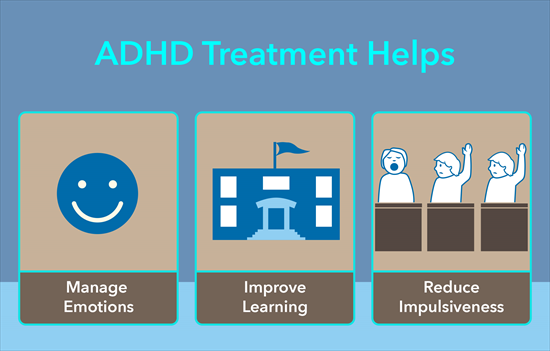
    Some people prefer non-pharmacological approaches, such as Cognitive behavioral therapy. This theory is an effective treatment for ADHD. In a study of cognitive-behavioral treatment for ADHD, researchers found that the treatment was associated with significant reductions in ADHD symptoms. The treatment was also associated with improvements in mental health and quality of life.

    Another way to treat ADHD is through behavioral therapy. Behavioral therapy is a psychological treatment that helps people learn new skills to manage their problems. It is based on the idea that our behavior is affected by our thoughts, feelings, and environment. Behavioral therapy can help people with ADHD learn new ways to control their behavior.

    How to deal with someone who has ADHD?

    Many strategies can help someone with ADHD manage their symptoms. One is to break down tasks into smaller parts and make a checklist of what needs to be done. It can also be helpful to set time limits for completing tasks and establish regular routines. The person with ADHD needs to avoid distractions as much as possible to focus on the task at hand.

    It’s also essential for loved ones to be patient and understanding. Remember that people with ADHD are not lazy or stubborn; they have a different way of processing information, but there are ways to make it easier. Here are a few tips:

    • Learn as much as you can about ADHD. The further you understand the situation, the more prepared you will be to assist your loved one.
    • Be patient and understanding. ADHD can be frustrating for both the person with the disorder and those around them. Try not to get angry or frustrated quickly.
    • Encourage your loved one to exercise and eat healthy foods. Exercise and good nutrition can help improve ADHD symptoms.
    • If you notice changes in your loved one’s behavior, talk to them and try to understand what might be causing it. You don’t need to wait until they tell you something before trying to help.
    • If you’re worried about your loved one having trouble getting along with other people, encourage them to join a sports team or social group. This can help them develop friendships and become part of a community.

    ADHD Medication

    Although there is no one-size-fits-all therapy for ADHD, it is common to give drugs to manage symptoms. Stimulants are the most commonly used medications to treat ADHD. They improve concentration while lowering hyperactivity and impulsivity. Antidepressants and anti-anxiety drugs are examples of other medicines that may be provided.

    There are three main types of ADHD medication: stimulants, non-stimulants, and atomoxetine. Stimulants are the most commonly used type of medication for ADHD. They consist of drugs such as methylphenidate Ritalin and amphetamine dextroamphetamine Adderall. Stimulants help improve focus and attention, decrease hyperactivity and impulsiveness, and improve academic performance.

    Medication can be beneficial for some persons with ADHD, but it is not always feasible. For instance, if the person does not respond well to medication, they may benefit from additional counseling or behavioral therapy.

    In conclusion, ADHD is a disorder that impacts many people and can significantly affect their lives. While many treatments are available, not everyone responds to them the same way. There’s still a lot to learn about ADHD and how to treat it. Please get treatment from a doctor or therapist if you or someone you know suffers from ADHD.

  • What is an anxiety?

    What is an anxiety?

    Anxiety is a natural emotion characterized by feelings of stress, tension, worried thoughts, and physical changes like increased heart rate or blood pressure. It is a feeling of fear or apprehension about what is to come. Taking an exam, giving a speech, or going to a job interview can cause most people to feel nervous and fearful. But if your feelings of anxiety are pretty intense, interfere with your life, and last for longer than six months, you can have an anxiety disorder. Nearly everyone feels anxious at many points in their lives, but several people have an actual anxiety-related condition.

    Overview :

    On average, 18 percent of American adults, i.e., close to one-fifth of the adult population — are affected by anxiety or an anxiety-related disorder (such as OCD) every year. But while these anxiety disorders are highly treatable, only about 37.9 percent of people with a disorder receive treatment. The symptoms indicating an anxiety disorder may seem so commonplace that it is possible for someone not to realize that they have a formal condition.

    How so? Anxiety symptoms may range from life-altering phobias, like the fear of driving, to seemingly normal occurrences, like fatigue or headaches. While the latter two can not prompt you to believe you have a chronic condition and can even confuse you into thinking you have two of the most common flu symptoms, they are also physical manifestations of high anxiety that, when combined with more specific mental or physical symptoms — may suggest that you have an anxiety disorder. Though anxiety affects everyone, it differs for various individuals in how it manifests, why it manifests, and to what magnitude it occurs. For this reason, anxiety diagnoses may take many forms.

    You can classify anxiety into generalized anxiety disorder (GAD), panic disorder (PD), and social anxiety disorder (SAD) as actual anxiety disorders, while anxiety-related conditions include obsessive-compulsive disorder (or OCD) and post-traumatic stress disorder (or PTSD). Because these symptoms may seem like everyday occurrences, anxiety disorders are usually difficult to understand. Please read this blog to know more about anxiety. The blog also tells you how to treat anxiety and lead a peaceful everyday life.

    What are the symptoms of anxiety?

    Anxiety feels different depending upon the person experiencing anxiety. Feelings might range from butterflies in your stomach to a racing heart. You could feel out of control like there is a disconnect between your mind and body. Other ways people experience anxiety include panic attacks, nightmares, and painful thoughts or memories that you can not control. You can have a general feeling of worry and fear or fear a specific event or place. Symptoms of general anxiety include:

    • rapid breathing
    • increased heart rate
    • trouble concentrating
    • restlessness
    • difficulty falling or staying asleep

    Your anxiety symptoms can be different from someone else’s. That is why it is essential to know all the ways anxiety can present itself.

    Anxiety attack

    An anxiety attack is a feeling of extreme worry, apprehension, distress, or fear. For many individuals, an anxiety attack builds slowly. It can worsen as a stressful event approaches. Anxiety attacks may vary greatly, and symptoms can differ among people. That is because the many anxiety symptoms do not happen to everyone, and they might change over time.

    anxiety attack

    Common symptoms of an anxiety attack include:

    • shortness of breath
    • feeling faint or dizzy
    • sweating
    • dry mouth
    • restlessness
    • distress
    • fear
    • chills or hot flashes
    • numbness or tingling
    • apprehension and worry

    An anxiety attack can share similar symptoms as a panic attack, but they are not the same.

    What causes anxiety?

    Researchers aren’t sure of the exact reason causing anxiety. But, a combination of factors likely plays a role. These include environmental and genetic factors, as well as brain chemistry. Researchers believe that the areas of our brains responsible for controlling fear can also be impacted. Current research on anxiety is taking a deeper look at the parts of the brain involved with anxiety.

    Are there tests that can diagnose anxiety?

    A single test can not diagnose anxiety. Instead, an anxiety diagnosis needs a lengthy process of mental health evaluations, physical examinations, and psychological questionnaires. Some doctors can conduct a physical exam, including blood or urine tests, to rule out underlying medical problems that can contribute to symptoms you are experiencing. Several anxiety tests and scales can also be used to help your doctor assess the level of anxiety you are experiencing.

    What are treatments for anxiety?

    Once you have been diagnosed with anxiety, you must explore treatment options with your doctor. For some individuals, medical treatment is not necessary. Lifestyle changes can be enough to cope with these symptoms. However, treatment could help you overcome the symptoms in moderate or severe cases and lead a more manageable everyday life.

    Treatment for anxiety falls into two categories: medication and psychotherapy. Meeting with a psychologist or therapist can help you learn tools to use and techniques to cope with anxiety when it occurs. Drugs commonly used to treat anxiety include sedatives and antidepressants. They work to prevent episodes of anxiety, balance brain chemistry and ward off the most severe symptoms of anxiety disorder.

    What natural remedies can be used for anxiety?

    Lifestyle changes can efficiently relieve some of the anxiety and stress you may cope with within your day-to-day life. Most natural “remedies” for anxiety consist of participating in healthy activities, caring for your body, and eliminating unhealthy practices. These include meditating, getting enough sleep, staying active and exercising, eating a healthy diet, avoiding alcohol and caffeine, and quitting smoking cigarettes.

    The takeaway from this blog

    You can manage anxiety disorders with the help of psychotherapy, medication, or a combination of both. Some individuals who have a mild anxiety disorder, or a fear of something they can easily avoid, decide to live with the anxiety disorder and not seek treatment. It is essential to understand that anxiety disorders are treatable, even in severe cases. Although anxiety often does not go away, you can learn to control it and live a happy and healthy life.